Category: Energy
Energy is the connecting subject across much of this coverage, because it is where engineering, law and geopolitics meet a physical constraint that none of them can argue with. A well either holds pressure or it does not; a grid either has fuel at the burner tip or it does not.
Well control
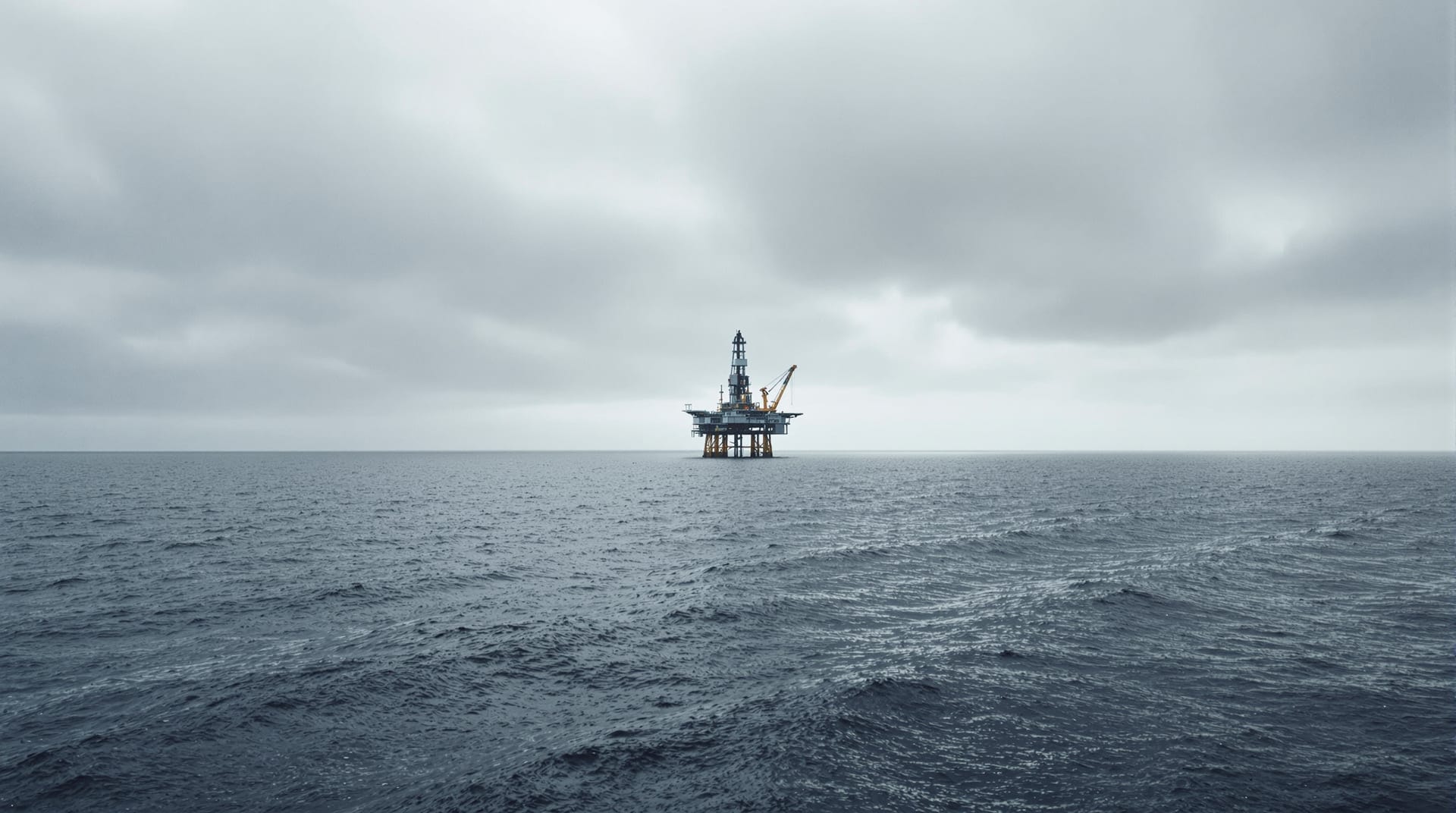
The clearest engineering story here is the attempt to close a blown-out well a mile below the Gulf of Mexico — replacing a loose containment cap that merely channelled flow with a sealing stack that could hold it. See New Capping Effort Planned for Gulf Spill.
The detail that decides the outcome is a pressure reading rather than a mechanical fit. High and steady pressure after shut-in means the bore below is intact; low or falling pressure means oil is escaping underground through damaged casing, and a well leaking below the seabed cannot be capped from above at all. Every intervention at the seabed is a holding action until a relief well intercepts the original bore from below.
The information layer
Energy is also an information business, and the archive follows what happens when that information is restricted. Geological survey data — well coordinates, reservoir depths, production histories — is what allows capital markets to price energy risk. When a state reclassifies that category retroactively, the effect reaches every firm operating there, not only the one prosecuted. See Chinese Court Sentences US Geologist to 8 Years.
Trade and settlement
On the market side, the recurring question is not who sells to whom but how the payment is routed. A producer excluding the dollar and euro from crude transactions is making a decision about which banking system handles the money, and the practical limit is that few alternative currencies are deep enough to hold revenue in. See Iran to Shun Euro, Dollar in Oil Deals and the Sanctions archive.
Demand shocks
Finally, energy systems are tested by weather more reliably than by policy. A severe cold wave in a region built for mild winters produces a heating-demand spike within days, and the shortage almost always appears in fuel logistics rather than in generating capacity. See Climate: Argentina Experiences Killing Freeze.
Offshore safety regulation is documented by the Bureau of Safety and Environmental Enforcement, energy research programmes by the US Department of Energy, and producer policy by OPEC.
Browse also: Economy, World, the July 2010 archive, or the front page.