Polish Plane Crash: Unanswered Questions
Filed 21 July 2010 — Warsaw
The head of a newly formed Polish parliamentary committee told its first session on 20 July that the April air crash which killed the Polish president and ninety-five others was a crime, and that political responsibility for it was clear. It is the strongest formulation yet from anyone with an official mandate, and it moves a question that had been technical into a domain that is unmistakably political.
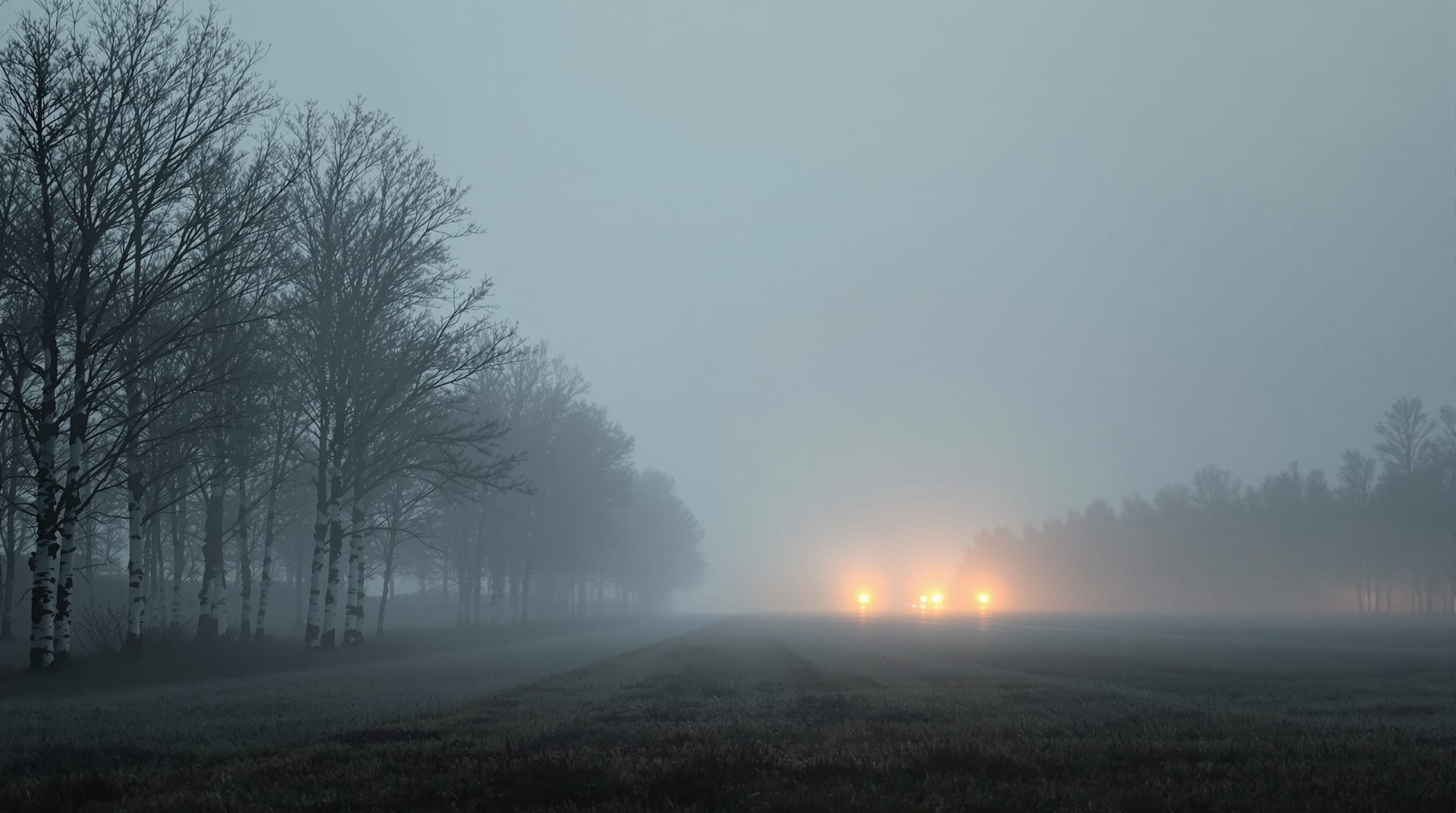
The aircraft came down on approach to an airfield near Smolensk in western Russia on 10 April, in thick fog, after striking trees short of the runway. Nobody survived. On board were the head of state, his wife, dozens of senior officials and the crew — a delegation travelling to a commemoration.
What is actually contested
It is worth separating the claims. That the aircraft descended below a safe altitude in fog and hit terrain is not in dispute; it is what the wreckage and the flight recorders show. The contested questions are about why the approach was continued: what the crew were told about conditions, what pressure they were under to land at the destination rather than divert, how the airfield's equipment and controllers performed, and whether the investigation that followed was conducted in a way that could establish any of this to a Polish public's satisfaction.
A Polish broadcaster had reported the previous week that the crew were under pressure to land despite the fog. Pressure of that kind — the unspoken expectation that a head of state's aircraft does not divert — is a recognised category in aviation safety literature, and it does not require anyone to have given an explicit order.
Why the committee exists
The committee was created after the late president's twin brother, who had just contested the presidential election, told supporters that a public movement had formed following his brother's death and that he had a moral duty to conduct his own inquiry. That origin is central to how the committee will be received: it is a parliamentary body formed by one political camp, examining an event in which that camp lost its leader, on territory investigated by a foreign state with which Poland's relations are historically fraught.
None of that makes its questions illegitimate. It does mean its conclusions will be read through the lens of who commissioned them, and that an inquiry established this way carries a heavy burden of demonstrating its own method.
The word "crime"
The chairman had used the word before, applying it to the Russian investigation rather than to the crash. Restated at a formal first session, it is a claim that something was done deliberately or with criminal negligence, by someone. In the absence of a specified allegation and a specified party, it functions mainly as a statement of distrust — which may be its intended function.
There is a real procedural grievance underneath it. The wreckage and the recorders were held by the country in whose territory the crash occurred, and the initial investigation was conducted under a convention framework that gives the state of occurrence primacy. When the two states involved have the history these two have, that arrangement will not produce a finding both publics accept, whatever the technical merits.
What to watch next
Whether the committee obtains independent access to the recorders and the wreckage; whether it publishes a methodology before it publishes conclusions; and whether the official binational investigation reports on schedule and in what terms. The international framework for accident investigation, including the rules on which state leads and what access others receive, is set out by the International Civil Aviation Organization, and operational safety guidance on approach-and-landing accidents is published by the International Air Transport Association.