Egg Recall in US Due To Salmonella Outbreak
Filed 18 August 2010
Around 228 million eggs have been recalled in the United States after salmonella illnesses were reported across several states, including California, Colorado and Minnesota. The eggs came from a single large producer in Iowa and reached shoppers under more than a dozen different retail names — which is why a recall from one farm reached refrigerators nationwide.
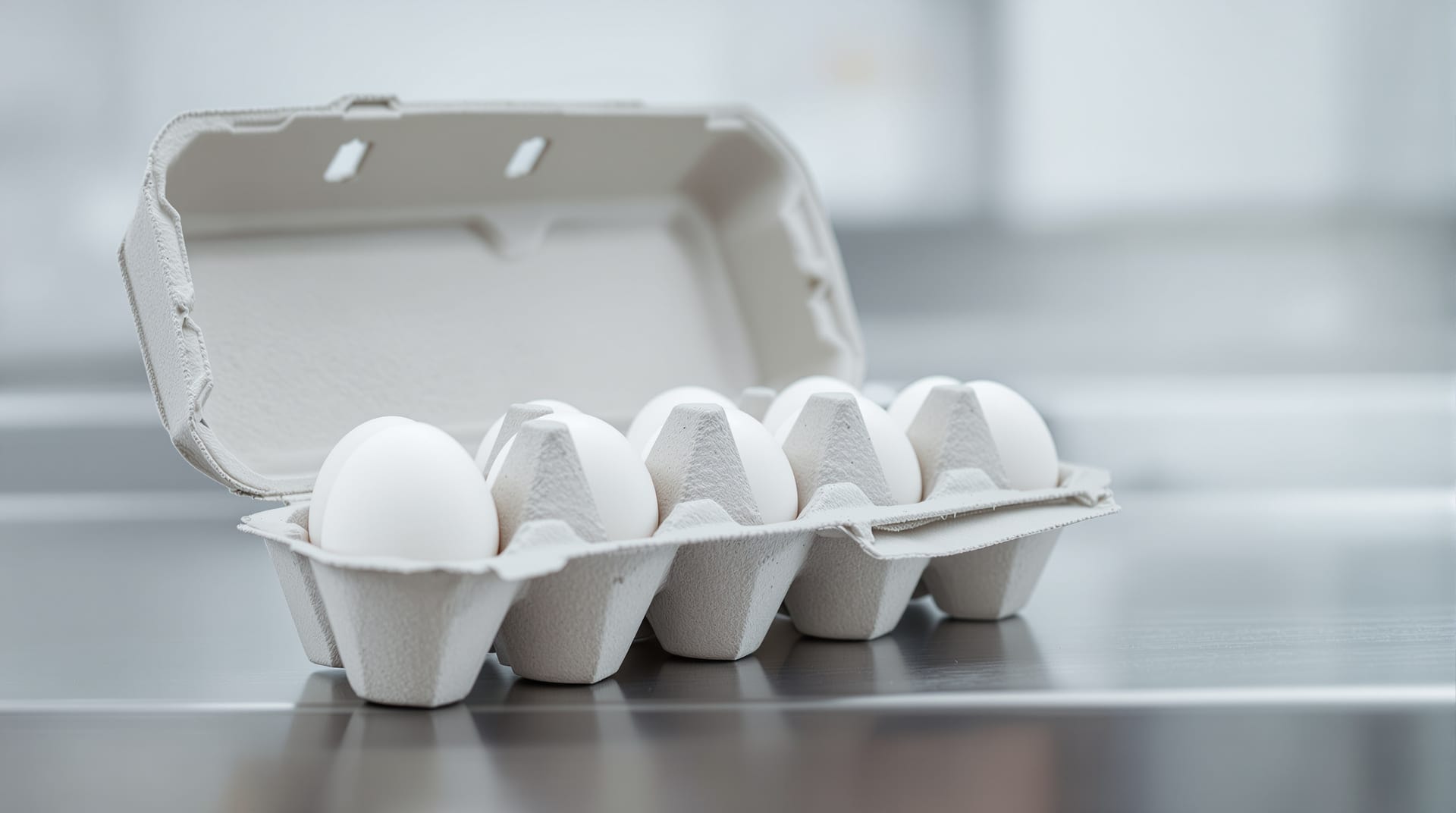
The recalled cartons — six, twelve and eighteen count — were packed between mid-May and mid-August and carry one of three plant codes. Consumers were told to return them to the point of purchase in the original carton for a refund rather than cook or discard them, because the carton is the only thing carrying the identifying code.
Why the brand list is so long
The detail that surprises people is not the volume but the branding. A shopper choosing between a dozen cartons on a shelf may believe they are choosing between a dozen producers. Frequently they are choosing between a dozen labels applied to the output of the same few farms, packed on the same lines, differentiated by carton design and price rather than by source.
That consolidation makes food cheap and it makes contamination events wide. When a single production site is the origin of many nominal brands, one failure propagates across the entire retail range simultaneously — and the consumer has no way to see the connection from the shelf.
What salmonella does
Infection typically produces fever, diarrhoea, nausea, vomiting and abdominal pain, usually beginning within a day or three of exposure and resolving in under a week in healthy adults. It is not trivial. In infants, older adults and people with weakened immune systems it can move into the bloodstream and become serious or fatal, and it is a leading cause of hospitalisation among foodborne illnesses.
The specific serotype associated with eggs can be present inside an intact, clean, uncracked egg, because the bacterium can infect the hen's reproductive tract and be incorporated as the egg forms. That is the reason surface washing does not solve the problem and why cooking guidance emphasises firm yolks and whites.
How a farm becomes a source
Regulators investigating events of this kind look at the flock, the feed, the water, the housing and the rodent population. Rodents in feed storage and packing areas are a recurring finding in the historical record — they move between waste, housing and feed, and they are difficult to exclude from very large facilities.
Once a laying flock is infected, contaminated eggs are produced continuously until the flock is removed or the environment is cleared. The lag between the first illnesses appearing in clinics and the trace-back reaching the farm is measured in weeks, and that lag is the reason a recall is always partly retrospective.
How an outbreak is actually detected
Nobody notices an outbreak from a single case. Detection depends on laboratories in different states independently typing the bacteria they isolate from patients and reporting the results into a shared surveillance system. When an unusual number of genetically indistinguishable isolates appear across several states within a short window, the system flags a cluster.
Investigators then interview patients about what they ate in the days before falling ill, comparing their answers with those of healthy controls, and work backwards through distribution records until the accounts converge on a common source. The whole process takes weeks, and it only works if enough patients seek care, enough clinicians order the test, and enough laboratories report the result. Most foodborne illness never enters that pipeline at all.
Why the recall is always late
The consequence of that timeline is structural rather than negligent: by the time a recall is announced, the contaminated product has largely been eaten. A recall's real function is to stop the remaining inventory, force the production site to be examined, and put the retail codes in front of consumers who may still have cartons in a refrigerator.
Preventing the next event depends on what changes at the farm — flock testing, rodent control, refrigeration through the whole chain — rather than on how fast the notice was issued.
What to watch next
Whether the recall is expanded to other production sites, the outcome of the investigation into the source, and whether new egg-safety rules survive their first serious test. Consumer guidance and recall notices are published by the US Food and Drug Administration, and clinical and epidemiological background on the organism is maintained by the World Health Organization.