Climate: Argentina Experiences Killing Freeze
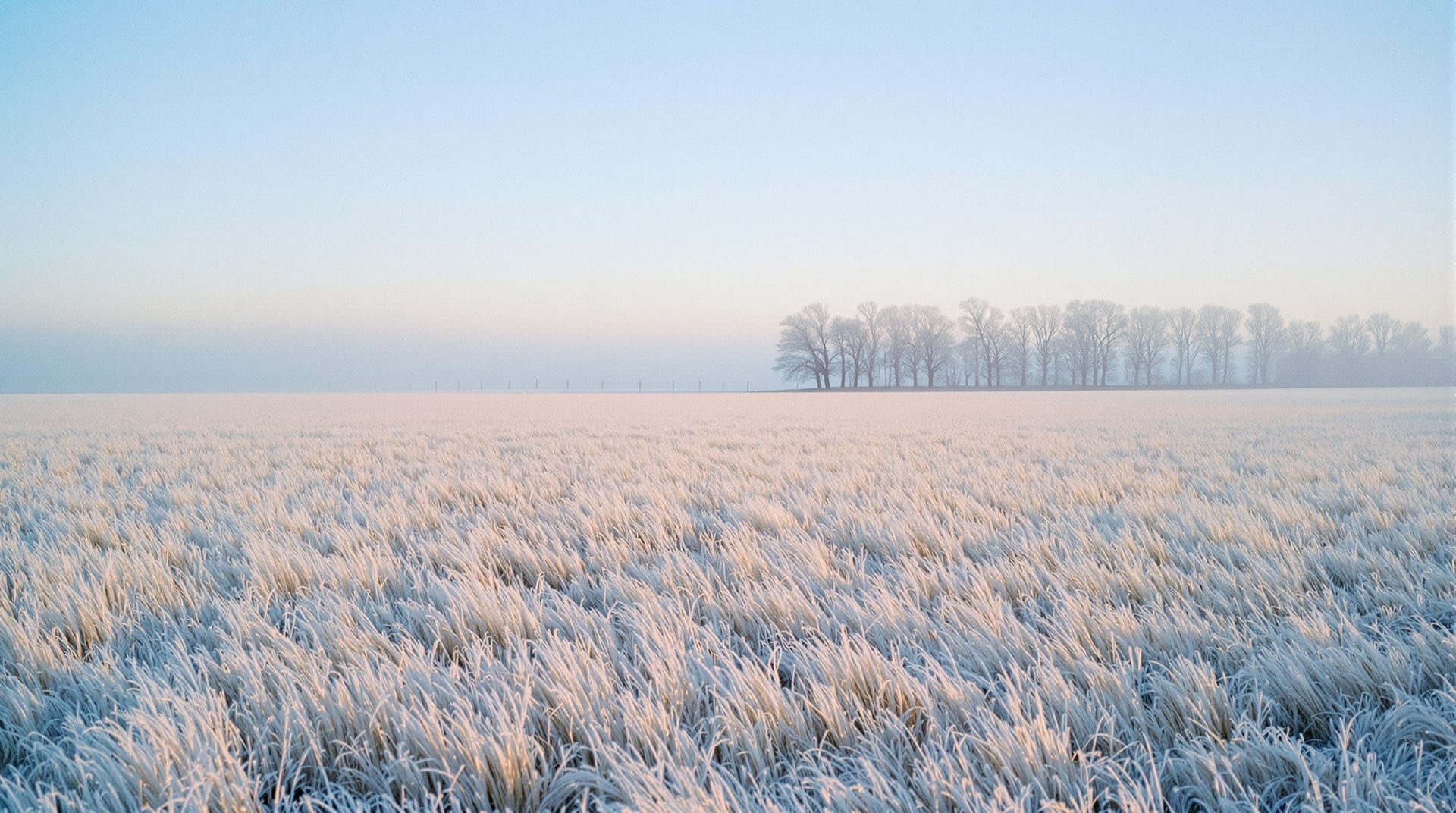
Filed 22 July 2010 — South America
A severe cold wave has settled over southern South America, driving temperatures well below normal from Patagonia to the subtropics and bringing snow to places that see it perhaps once in a generation. Across the Argentine pampas and into neighbouring countries the consequences have been agricultural and, in exposed communities, human.
Where the cold comes from
Extreme cold in this part of the world arrives as a surge of Antarctic air pushed north behind a strong high-pressure system. The continent narrows toward the south and there is no significant east-west mountain barrier to slow the advance, so a cold mass that forms over the Southern Ocean can run up the length of the landmass with little to stop it. When the flow is strong enough it reaches into latitudes with subtropical vegetation and no cold-weather infrastructure at all.
The agricultural bill
The immediate losses fall on livestock. Cattle on open range in the pampas have limited shelter; sustained sub-freezing temperatures combined with wind kill young and weakened animals directly and drive weight loss across the rest of the herd. Where snow lies, grazing simply stops and producers who had not planned for supplementary feed at that point in the season face a choice between buying it at short notice or accepting the losses.
Horticulture in the northern provinces is exposed differently. Citrus and vegetable crops in subtropical zones are grown precisely because frost is rare there, so protection is minimal and a hard freeze can destroy a season's production over two nights.
Energy under strain
Cold on this scale produces an energy problem within days. Domestic heating demand spikes in a system built around a mild winter, natural gas supply tightens, and industrial users are curtailed to protect households. The pattern is familiar from every large cold event in a temperate-to-subtropical grid: the shortage is rarely in generation capacity, it is in the fuel logistics feeding it.
Cold events and the longer record
A severe freeze is not evidence against a warming trend, and nor is it evidence for one. Climate is the distribution; weather is a draw from it. What the long record does suggest is that the frequency of extremes at both tails is the quantity worth tracking, and that a single spectacular event tells you far less than the shape of the last fifty years of them.
The honest position on any individual cold wave is that it is an extreme draw from a distribution that is itself moving, and that attributing one event either way requires the sort of analysis that takes months rather than the days a news cycle allows.
Why subtropical regions suffer most
The counter-intuitive part of a continental cold wave is that the greatest damage rarely falls where it is coldest. Patagonia expects hard winters; its buildings, herds and crops are selected for them. A subtropical province that experiences frost once in a decade has no such adaptation — no insulation, no supplementary feed contracted, no frost protection in the orchards, and no heating in housing that was built to shed heat rather than retain it.
The result is that an event which is merely unpleasant at fifty degrees south can be devastating at twenty-five. The measure of a weather extreme's impact is always the gap between what arrived and what the place was built for, not the absolute reading on the thermometer.
The human toll
Deaths in cold events cluster among those without shelter or heating, and they are recorded inconsistently — often as cardiac or respiratory events rather than as exposure, which means the official count of a cold wave almost always understates it. The reliable measure is excess mortality: the difference between deaths recorded during the event and the seasonal baseline, calculated weeks later when the registrations are complete.
That figure rarely appears in coverage, because by the time it exists the story has moved on.
What to watch next
Livestock loss tallies once producers can move across the ground; crop damage assessments in the citrus provinces; and whether the event registers as a record or merely as an unusually deep seasonal low. Environmental impact frameworks are published by the US Environmental Protection Agency.